
Whoa! This has been on my mind for months. Seriously? A web-first Phantom would shift how people interact with Solana dApps, plain and simple. At first glance it sounds small — just another interface — but my instinct said this is much bigger: lower friction, instant onboarding, fewer install hurdles for new users. Initially I thought mobile-first was the right move, but then I realized browsers are everywhere: kiosks, work laptops, public devices, even smart TVs (weird, but true).
Here’s the thing. Phantom on the web would reduce the “download and trust” gate that scares non-crypto folks away. People in my family still ask if they need to “download the blockchain” — no joke. A browser wallet can present fewer permission dialogs and lean on familiar browser flows, which lowers cognitive load. On one hand it sounds trivial; on the other, UX changes cascade into adoption metrics that actually matter for dApp health and NFT marketplaces.
Okay — quick aside: I’m biased, but I love Phantom’s UX on mobile and desktop. That said, there are gaps. For example, extension-based wallets require a browser that supports extensions (Chrome, Brave, Edge), and that blocks a chunk of users on Safari and mobile. Hmm… that bugs me. If a web version could be served as a secure hosted app or progressive web app (PWA) with strong cryptographic guarantees, it could bring Solana to Main Street, literally and figuratively.
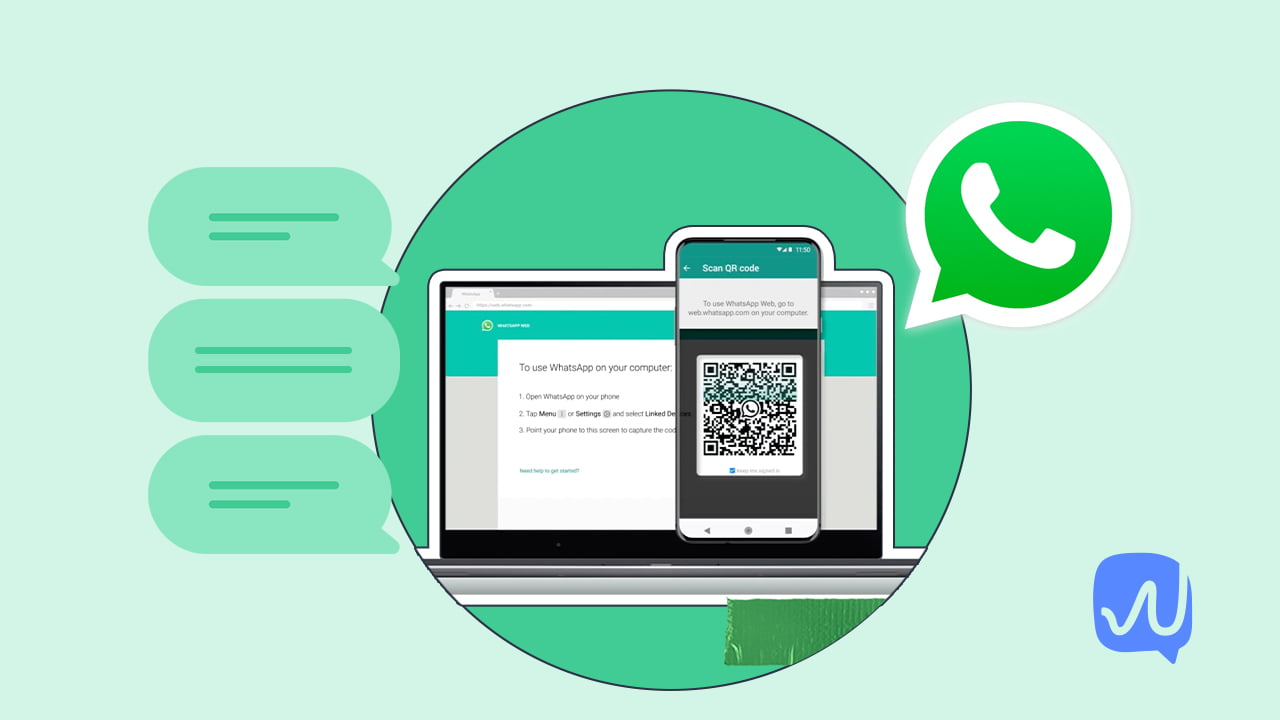
Short answer: onboarding. Long answer: onboarding, retention, and developer velocity. Web wallets can present a one-click connect flow for first-time users, with guided steps for account recovery and social recovery (if implemented). Developers would no longer have to bake complex onboarding tutorials into their apps. They could instead rely on the wallet to handle these flows, which frees up teams to focus on product rather than wallet-handling edge cases.
On a technical level, Solana’s transaction model (fast, cheap, parallelizable) pairs well with a web wallet that batches and previews transactions inline. That reduces user error and improves trust. And trust is everything in consumer UX; if someone gets a nonce or a failed tx and panics, they won’t come back. So a web-first Phantom could provide richer contextual information — token metadata, royalty breakdowns on NFTs, a simple explanation of compute budgets — right where the user needs it.
Something felt off about the current onboarding: too many tabs, too many context switches, too much guessing. My takeaway? Make the important stuff obvious. Use patterns people know from banking apps and e-commerce. Use progressive disclosure for complexity; hide the advanced stuff until it’s needed. Seriously — people like clarity.
Whoa! Security is the natural counterargument: “Browsers are unsafe, extensions are better.” True, to an extent. But actually, wait—let me rephrase that: risk is different, not strictly higher. A well-designed web wallet can mitigate many risks with the right architecture: isolated signing modules, hardware-backed keys via WebAuthn, ephemeral sessions, and strict Content Security Policies. On top of that, UX patterns like transaction explanation, human-readable intent, and explicit permission scopes reduce social-engineering risks.
On one hand, hosting a wallet increases attack surface because infrastructure can be targeted. On the other, a hosted web wallet reduces client-side misconfigurations and outdated plugin vulnerabilities. It’s a trade-off. Developers and product leads need to weigh trust-of-infrastructure against trust-of-user-devices. For many mainstream users, centralizing some of the heavy lifting while keeping private keys protected by hardware or local cryptography makes the experience a lot safer overall.
I’ll be honest: I’m not 100% sure which approach is objectively superior in every context. There are tradeoffs — latency, privacy, regulatory pressure — and they matter. But a carefully implemented web Phantom could use hybrid patterns: local key storage as the default with optional cloud recovery, or a split-key scheme for high-value transactions. Those are doable, and they preserve user agency while improving convenience.
For builders, a web Phantom could mean fewer edge cases to support. It could expose a clean SDK that handles wallet discovery, session management, and granular permission prompts. That lowers the barrier for indie devs and accelerates experimentation. Check this out—I’ve seen teams spend weeks dealing with wallet quirks instead of product features; a standardized web wallet reduces that friction, which speeds iterations.
Also, NFTs on Solana would benefit. Right now marketplaces juggle off-chain metadata, royalties, and cross-program interactions. A wallet that surfaces provenance, creator splits, and the real cost of minting or transferring (including compute fees) — all before the user signs — leads to better informed decisions and fewer buyer’s remorse moments. Oh, and by the way, better metadata previews mean fewer scams. That’s big.
What about discoverability? Web routes are indexable, linkable, and sharable. A PWA or web wallet can deep-link into a marketplace or a minting flow without requiring the user to install anything first. That lowers the activation energy by an order of magnitude. My instinct says this is the single most underrated benefit.
If you want to poke around a prototype or see what a web Phantom could look like, take a look at https://web-phantom.at/ — it’s the kind of experiment that sparks the right conversations (I found it helpful, though I’m biased, very biased).
Short: not inherently less secure. Longer: security depends on architecture. A well-architected web wallet can leverage modern browser security features, hardware-backed keys (via WebAuthn), and cryptographic proofs to provide strong security. The real risk is implementation mistakes and complacency. So vet the implementation and understand recovery models.
No — complementary is a better word. Different contexts call for different UX. Mobile is great for on-the-go signatures and QR flows. Extensions are excellent for power users who like full control. A web version fills the “first-time, quick, anywhere” niche and reduces onboarding friction for newcomers, which benefits the entire Solana ecosystem.
Okay, final thought: I’m excited but cautious. Something about a web Phantom feels like a real growth lever for Solana, but it must be done with humility and security-first thinking. There’s room for experimentation — somethin’ like a staged rollout, community audits, and clear recovery options would go a long way. It won’t fix every problem, but it could make wallets feel less intimidating on day one, and that is very very important.
